
Criminal Lawyer in Jodhpur — arrest, bail and FIR
Someone has been arrested, or an FIR is filed. Bail is decided on what is put before the court in the first hearing. What the family does in the first day — before a lawyer is even engaged — often shapes the rest of the case.

Do these things today
- Find out which police station and under which sections. Everything else follows from that.
- The grounds of arrest must be given in writing. Ask for them and keep the copy.
- Do not sign anything you have not read, and do not let the family give a statement to “settle” it.
- If arrest is expected but has not happened yet, anticipatory bail can be moved before it does.
How the procedure runs
Arrest & production
Within 24 hours before a magistrate. Grounds of arrest in writing.
Bail
Sessions Court first; High Court only after refusal.
Investigation
Chargesheet is filed, or a closure report.
Charge & trial
Framing of charge, evidence, arguments, judgment.
Timelines vary with the court and the matter. This is the order of events, not a promise about how long each takes.
What actually decides a matter like this
Not the arguing. These are the things that move the outcome, and most of them are settled long before a hearing.
The sections invoked, not the story
Whether an offence is bailable, and which court can grant bail, follows entirely from the sections in the FIR. Two identical incidents can take completely different paths because of how the FIR was drafted.
What the case diary says at the bail stage
A bail application is decided on the FIR, the sections, the case diary and the antecedents — not on how strongly anyone argues. The work is in what goes on paper before the hearing.
Whether the arrest itself was lawful
Grounds of arrest must be furnished in writing. Where they were not, that omission is often the strongest single point available in the application.
Sureties being ready
Bail granted and bail delivered are different days if the sureties and their documents are not arranged in advance.
What I will do
- Read the FIR and tell you plainly whether the sections are bailable, and which court your bail actually lies before
- Draft and move the bail or anticipatory bail application, with the grounds built on the case diary rather than on assertions
- Appear at remand and at the bail hearing, and take it to the High Court if the Sessions Court refuses
- Where the FIR discloses no offence, move for quashing under BNSS 528 instead of fighting a trial that should not exist
- Prepare the sureties' paperwork in advance so release happens the same day the order comes
What you will need to bring
- The FIR number, the police station, and the sections
- The written grounds of arrest, if an arrest has happened
- Identity, address and solvency proof for two sureties
- Any notice or summons already received
Mistakes that cost people these cases
- Negotiating with the complainant through an intermediary — it is routinely produced later as an admission
- Going straight to the High Court for bail without moving the Sessions Court first, which is ordinarily refused
- Signing statements or documents at the station without reading them
- Waiting for the arrest before asking about anticipatory bail
When you may not need me
If the offence is bailable and the police are willing to release on a bond at the station, you may not need counsel that day at all — you need two sureties with documents. Ask on the phone before engaging anyone.
Matters handled
- Regular and anticipatory bail
- FIR quashing
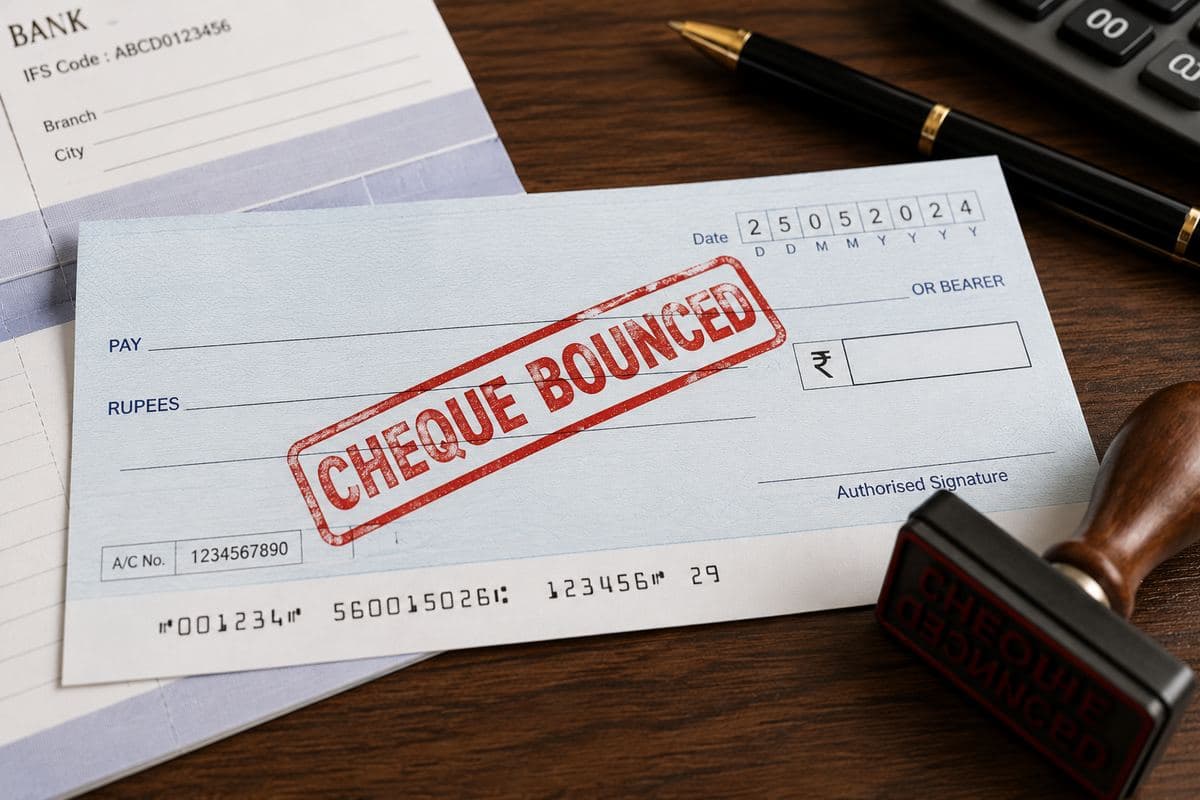
- Cheque bounce (NI Act 138)
- Criminal trials and appeals
- Complaints against false FIRs
Provisions that apply
- BNSS 482 — Anticipatory bail
- BNSS 483 — Bail by the Sessions Court or High Court
- BNSS 528 — Quashing an FIR




Tell me what has happened
A few lines is enough. If it is urgent — an arrest, a frozen account, a notice with a date on it — call rather than write.